







Choosing between transport solutions
Where can you find SEAL Express Logistics
Phone Number
+40 241 613 075/85
E-mail Address
office@seal-logistics.ro
Transport solutions
FCL (Full Container Load) is generally used when cargo volume is sufficient to utilize most or all of a container, or when minimizing cargo handling during transport is operationally important. Because the container is allocated to a single shipper, cargo coordination is simplified and exposure to additional handling during consolidation is avoided.
LCL (Less than Container Load) is used for smaller cargo volumes that do not require a full container allocation. In this case, multiple shipments are consolidated into the same container before departure and separated again at destination.
Compared to FCL shipments, LCL transport typically involves additional handling, consolidation and transit coordination due to the shared use of container space.
The choice between FCL and LCL depends on cargo volume, cargo sensitivity, transit priorities and overall shipment planning.
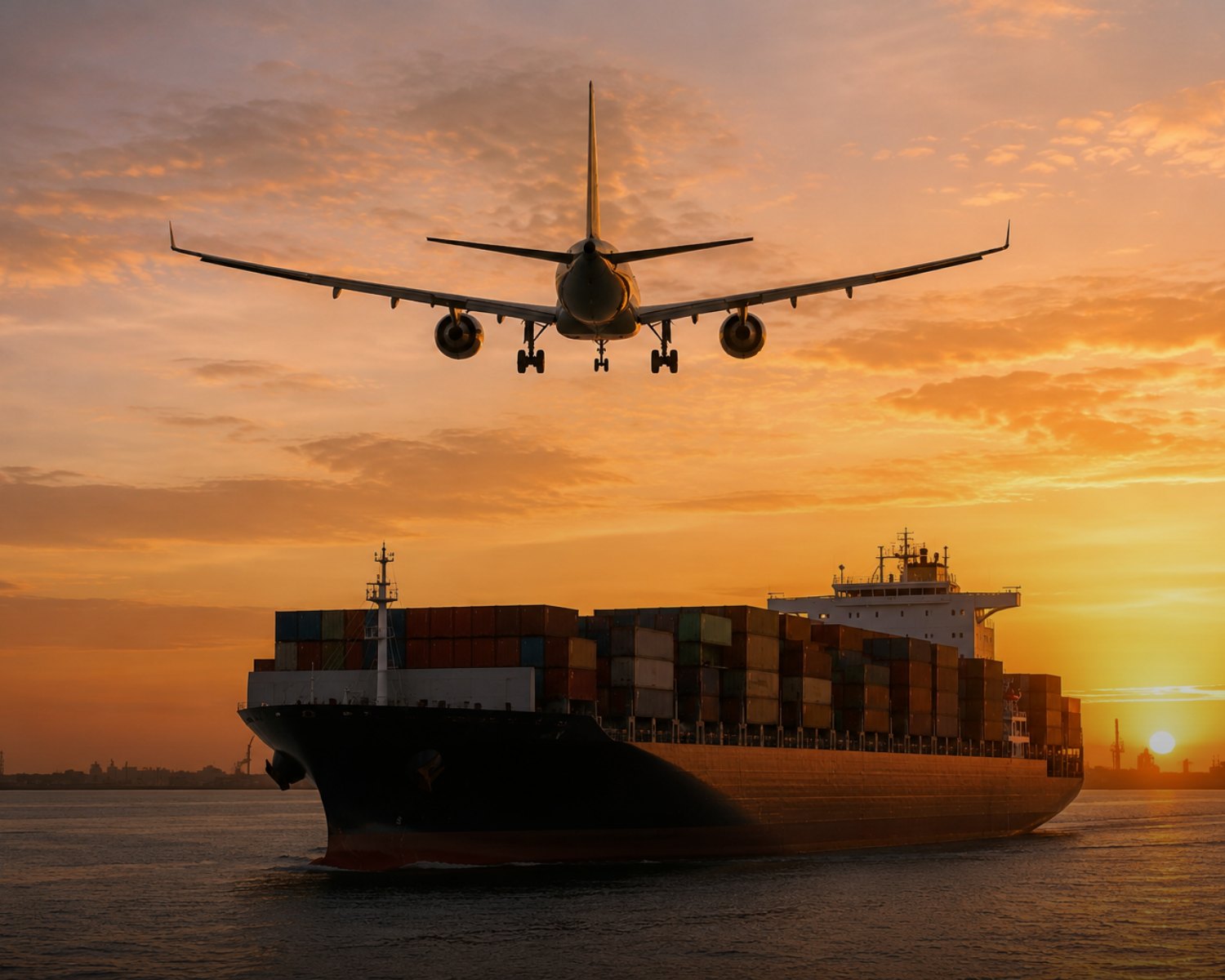
Air freight is generally preferred when transit time becomes a critical operational factor. It is commonly used for urgent shipments, high-value cargo, time-sensitive products or situations where production continuity and supply chain stability depend on rapid delivery.
Compared to sea freight, air transport offers significantly shorter transit times and more direct routing options for international shipments. However, it also involves higher transport costs and stricter operational limitations regarding cargo dimensions, weight and airline acceptance conditions.
Sea freight remains the standard transport solution for larger cargo volumes and for shipments where transport efficiency and cargo capacity are prioritized over delivery speed.
The choice between sea freight and air freight depends on cargo characteristics, delivery deadlines, operational urgency and overall logistics costs.
Flexitank transport is commonly used for non-hazardous bulk liquid cargo shipped inside standard containers fitted with flexible tanks. The solution is generally preferred for large-volume liquid shipments where maximizing container payload and reducing the use of drums or intermediate packaging are important operational considerations.
Compared to conventional packaging methods, flexitank transport allows a higher loading capacity within a standard container while simplifying cargo preparation, loading and discharge operations for compatible liquid products.
Flexitank solutions are widely used for food-grade liquids, agricultural liquids and certain non-hazardous industrial products, depending on product compatibility, transport conditions and destination requirements.