







Sea Freight Solutions
Where can you find SEAL Express Logistics
E-mail Address
office@seal-logistics.ro
Phone Number
+40 241 613 075/85
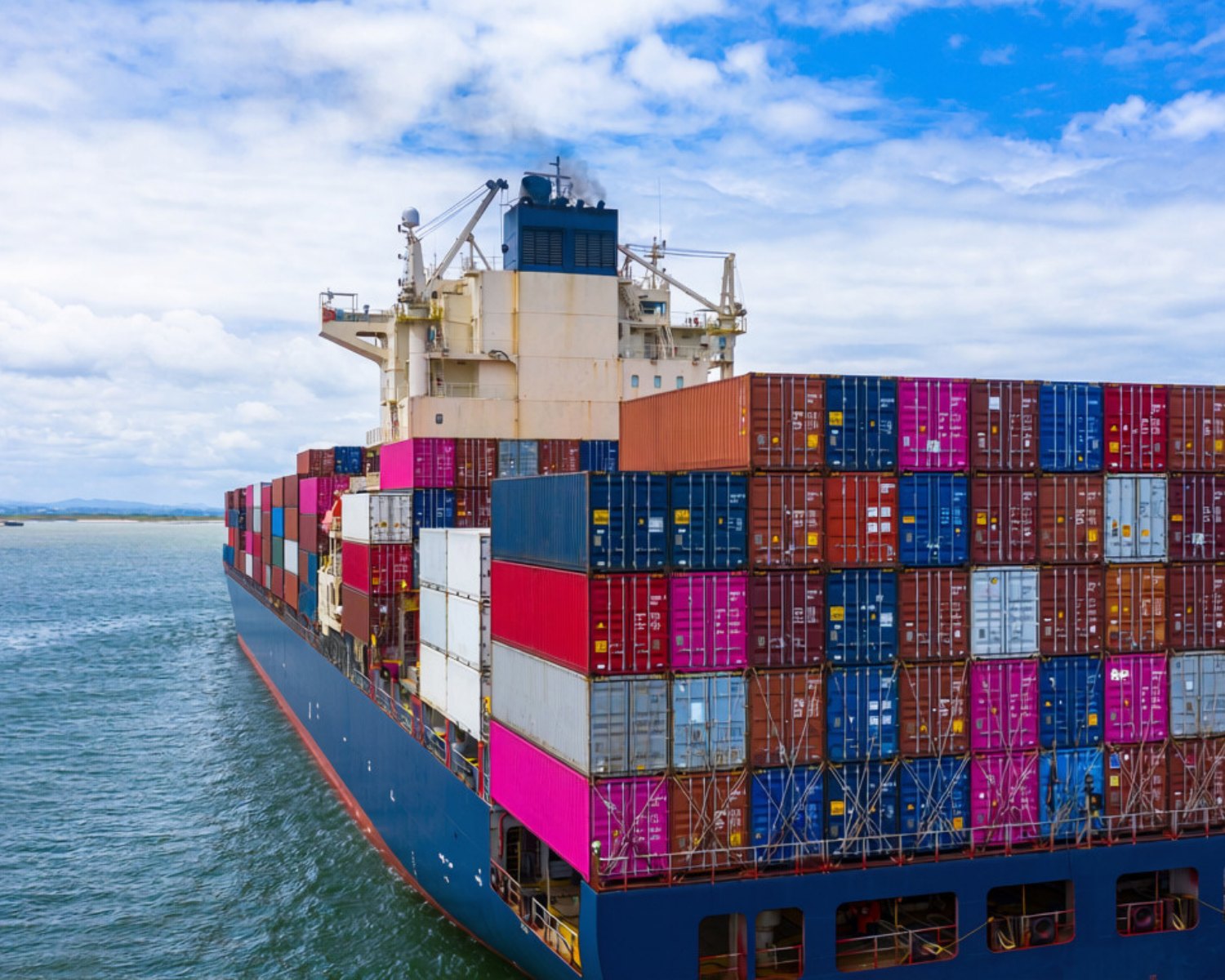
Sea Freight Solutions for Every Cargo Type and Route
We manage sea freight shipments across major international routes, covering both direct deliveries and cross-trade operations. Each solution is tailored to the cargo type, destination and shipping requirements, with the right equipment and routing selected for every shipment.
From containerized cargo to breakbulk and bulk, each operation is handled according to its specific requirements, with the planning and coordination it demands.
Sea freight services
Sea freight import and export to and from Romania
Cross-trade and international shipping operations
FCL and LCL containerized transport
Breakbulk and bulk cargo handling
Multimodal transport solutions (sea, road and rail)
Shipping documentation and cargo follow-up
Customs clearance and cargo insurance
Door-to-door delivery (import and export)
From the first request to final delivery, we make sure every sea freight shipment is handled the way it should be.
FAQs
FCL (Full Container Load) refers to a shipment that occupies an entire container, booked and used exclusively by a single shipper. It is typically chosen for larger cargo volumes or when operational control, reduced handling and cargo integrity are important.
LCL (Less than Container Load) refers to shipments that do not fill an entire container and are consolidated with other cargo. Goods are grouped at origin and deconsolidated at destination, which involves additional handling steps.
The main difference lies in container usage and handling. FCL uses a dedicated container for a single shipment, resulting in fewer handling points and greater control. LCL combines multiple shipments in one container, making it suitable for smaller volumes but involving additional handling and longer transit coordination.
See detailed guide: Choosing Between Transport Solutions
Sea freight costs are determined by a combination of factors, including container type (standard, high cube, reefer or special equipment), trade route, cargo volume or weight, port and terminal charges, and market conditions such as seasonality and equipment availability. Additional services such as customs clearance, storage, inland transport and handling also contribute to the total logistics cost.
See detailed guide: Understanding Transport Costs
Sea freight rates are influenced by global demand and supply, trade imbalances, fuel costs, carrier capacity, port congestion, geopolitical factors and seasonal peaks. Freight rates may vary significantly depending on these external conditions.
A Bill of Lading (B/L) is the main document issued by the carrier or its agent in sea freight. It has three distinct legal functions: it confirms receipt of the cargo by the carrier
/ it serves as evidence of the contract of carriage / when issued as a negotiable document, it can represent title to the goods.
The Bill of Lading is required at destination for the release of the cargo, depending on its type (original or telex release).
See detailed guide: Transport Documents & Customs Formalities
Demurrage applies when the container remains inside the port terminal longer than the free time granted by the shipping line or terminal.
Detention applies when the container is kept outside the terminal (e.g. at consignee premises) longer than the free time allowed after pickup.
Both charges are calculated per day and are controlled by the shipping line’s tariff conditions.
To provide an accurate quotation, it is necessary to include details such as cargo type, dimensions, weight, number of packages, container requirements (if applicable), origin, destination and any additional services requested. Providing complete and accurate information ensures correct pricing and proper planning of the shipment.
See guide: Information Required for a Freight Quote